
Fanatic Discipline
Steady, repeatable progress — agreed definitions, validation rhythm and ownership every week.
Supports the plan: KPI register, source-to-report map, playbook and handover deliverables.
Read principleJoe Salmon - Business & Performance Business Partner Application
Six Months to Trusted Performance — secondment plan
This is a 6 month secondment — what do I hope to achieve in those 6 months, and what would my approach be to ensure I am successful?
My approach would be disciplined, evidence-led and resilient: Fanatic Discipline to keep the work moving, Test and Scale to validate before committing, and Productive Paranoia to protect reporting confidence during change. Not heroics or unfounded optimism.
Steady, repeatable progress — agreed definitions, validation rhythm and ownership every week.
Supports the plan: KPI register, source-to-report map, playbook and handover deliverables.
Read principle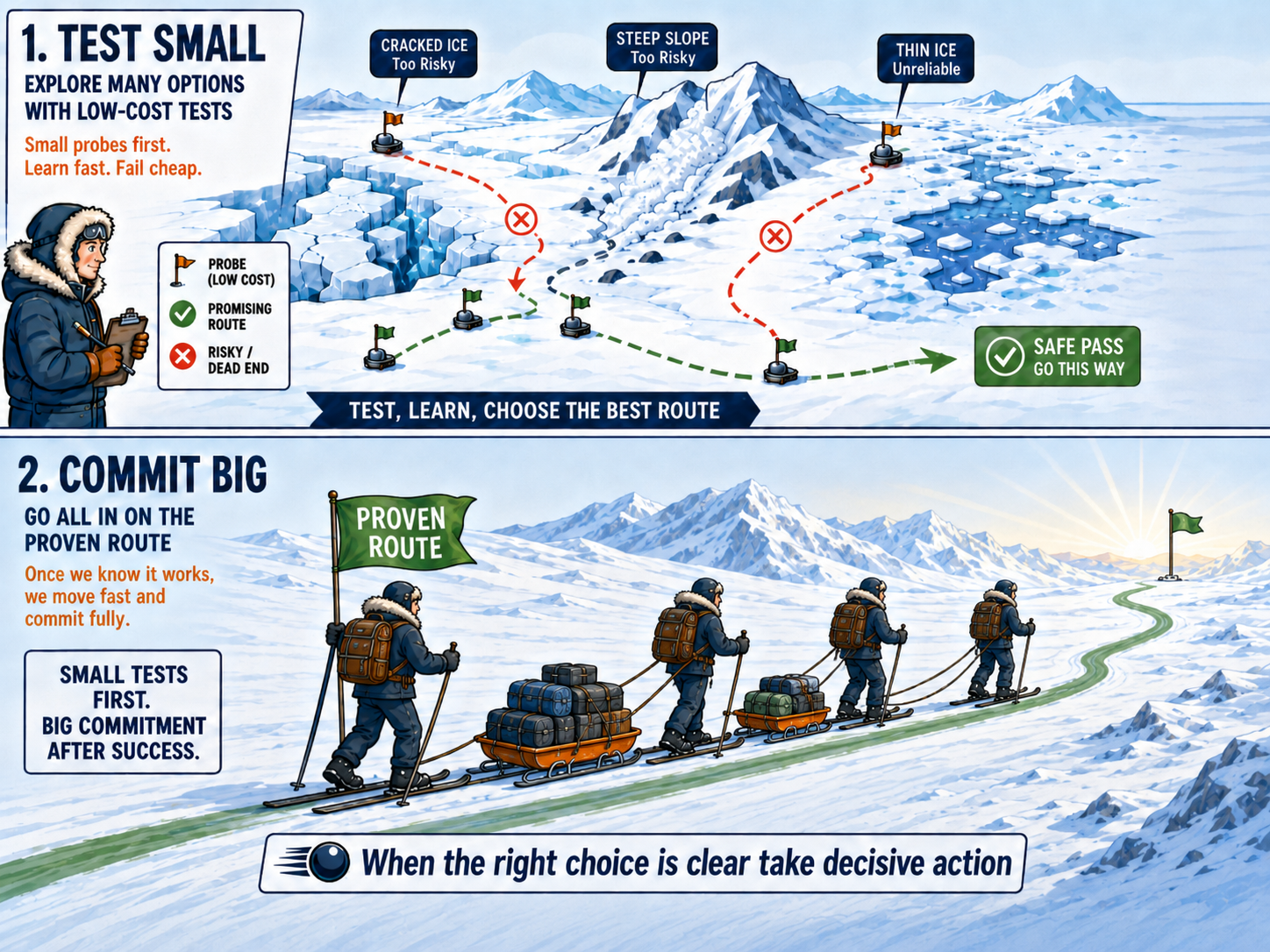
Test definitions and prototypes cheaply; promote winners and stop what misleads during migration.
Supports the plan: definition migration tests, demand pack prototype, ideas under test.
Read principle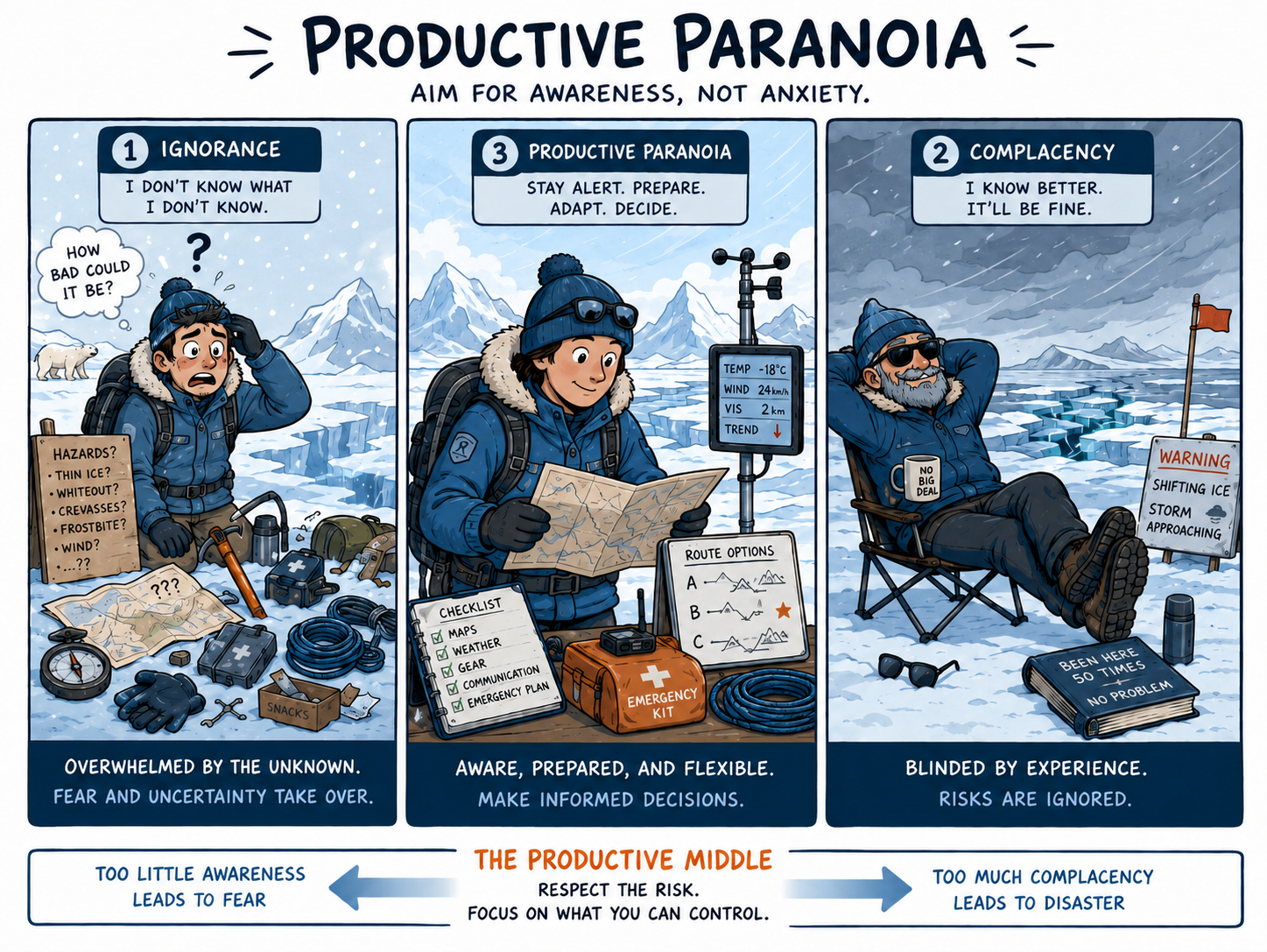
Prepared vigilance — confidence ratings, fallback routes and publish gates when feeds look fine.
Supports the plan: reporting assurance, reconciliation, withhold from Board when checks fail.
Read principleEvidence for this approach: definition migration worked example (Mar 2026 dashboard vs agreed reconciliation).
Six focused artefacts with synthetic data, layered definition chains where relevant, and sign-off blocks for the Legendary Care → PathwayOne migration.
View all deliverables register
Layered definitions from service to sign-off.
ViewField lineage and report inventory.
ViewRisks, checks, reconciliation and publish decisions.
ViewWeekly trends, team comparison and analysis insights.
ViewTest and Scale — promoted, parked and dismissed.
ViewCentrepiece
The risk is not just data migration. It is definition migration. Case-based vs action-based reporting, three tested definitions, and March 2026 reconciliation where the dashboard still refreshes but the measure no longer matches agreed logic.
View worked exampleCentrepiece
Case vs action; anchor patient; reconciliation.
View pageFanatic Discipline, Test and Scale, Productive Paranoia.
View pageParallel run vs feed cutover timeline.
View pageFull internal pipeline and lineage.
View pageData manifest, mock national and local products.
View pageSix-month journey and Band 8a mapping.
View page